Showing posts with label Greater Yellowstone Ecosystem. Show all posts

Sunday, February 17, 2013

Updates

Some News & Changes
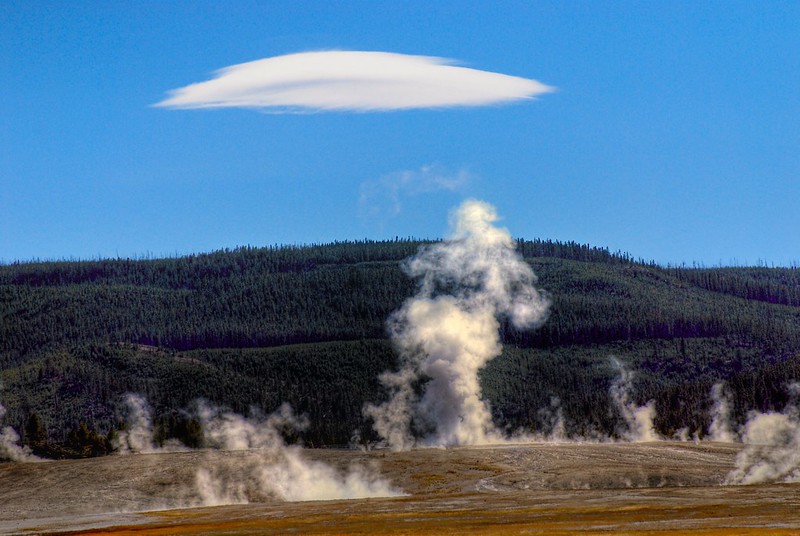
RARE LENTICULAR CLOUD OVER FOUNTAIN RIDGE

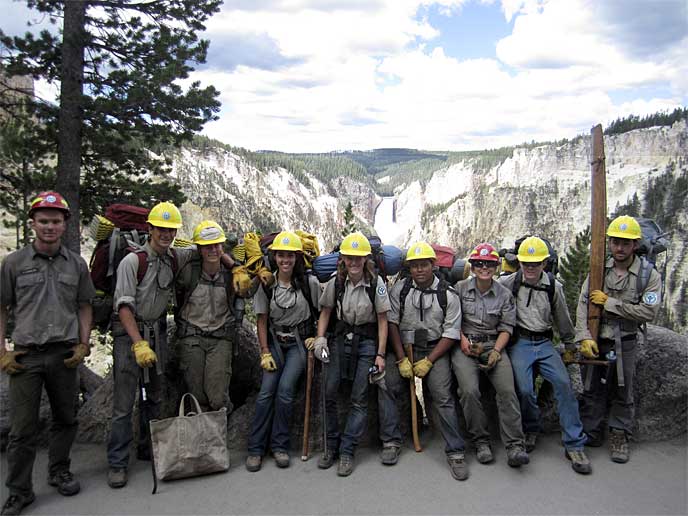
YELLOWSTONE RECRUITING FOR 2013 YCC
-- Two month long sessions are being offered this year. Fifty youth will be recruited from around the nation. Live and learn in Yellowstone. Work and play in Yellowstone. Get paid for the experience.
-- Yellowstone's YCC Program recruits youth from all social, economic, ethnic, and racial backgrounds. Corps members work together under adult leadership to complete conservation projects such as rehabilitation of trails, campground restoration, and a wide variety of resource management and maintenance projects. Participants and staff develop their job and leadership skills while further exploring personal values, gaining self-esteem, expanding their awareness of work ethics, and learning firsthand about environmental and conservation issues. Corps members will also participate in evening and weekend recreational activities and discover the many options for careers in the National Park Service and other land management agencies.
News Release: HERE.
Information: HERE.

PROPOSED CAMPGROUND FEE INCREASE
-- Yellowstone National Park is seeking public comment on a proposal to increase the daily fee charged to stay in campgrounds operated by the National Park Service.
-- For the Mammoth Hot Springs and Norris campgrounds which have flush toilets, the daily fee would be increased from $14 to $20.
-- At Tower Fall, Lewis Lake, Indian Creek, Pebble Creek, and Slough (slew) Creek campgrounds which have vault toilets, the daily camping fee would go from $12 to $15.
-- Individuals who hold a Senior Pass or Access Pass would continue to receive a 50-percent discount on camping fees charged at these National Park Service operated campgrounds.
-- The Bridge Bay, Canyon, Grant, and Madison campgrounds and the Fishing Bridge RV Park in Yellowstone are operated by Xanterra Parks & Resorts. Daily camping fees at these sites range from $20.50 to $45.00. They would not be affected by this proposal.
News Release: HERE.
Comment HERE.

HYDROPOWER BACK IN YELLOWSTONE
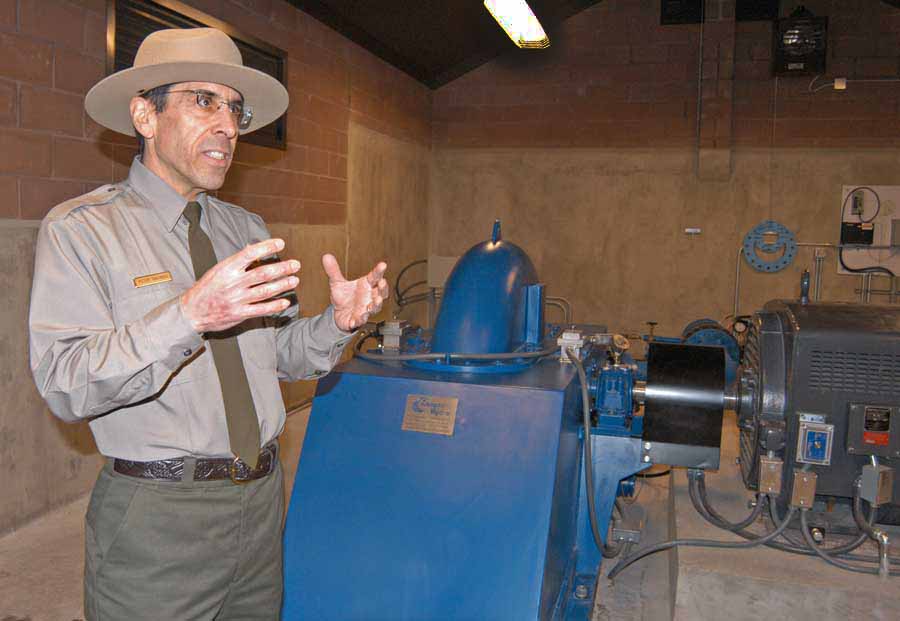
-- More than a century after U.S. Army troops harnessed the power of flowing water to light Fort Yellowstone, the park is generating electricity from water again.
-- The new Mammoth micro hydro plant relies on naturally-occurring water dynamics. It captures energy from the water that flows approximately 560 feet downhill from the combined Gardner River, Panther Creek and Indian Creek water intakes on Swan Lake Flats to the existing storage reservoir at Mammoth's water treatment plant through an existing 12-inch pipe. A newly-installed generator and turbine rely on an average water flow volume of 4 cubic feet per second to produce electricity.
-- The new plant is expected to generate an average of 175 kilowatts of energy depending on the normal fluctuation of the water supply, though it is capable of producing up to 230 kilowatts. Based on an "up-time" of 80 percent (20 percent calculated for maintenance down time), that equates to more than 1.2 million kilowatt hours supplied to the park each year. The new technology also allows for this fully sustainable energy source to be synchronized directly with Northwestern Energy's electric grid, providing a savings to the park's electrical bill of approximately $73,000 annually.
News Release: HERE.
-------

Wednesday, January 28, 2009

Ten Year Visit

BAEZ TO PERFORM IN BOZEMAN
Get Your Tickets Friday
Only 700 Seats
.. After a 10 year absence, Joan Baez will return to Bozeman, Montana. The March concert will be held in the 720-seat auditorium in the Emerson Center for Arts and Culture.
.. Tickets go on sale Friday at 10:00 AM. {LINK}

Saturday, January 17, 2009

ANS WORKING GROUP FORMED


GREATER YELLOWSTONE
COORDINATING COMMITTEE
FORMS ANS WORKING GROUP
Our Neighbors Are Great
.. The formal announcement of this action oriented working group can be found at Protect Your Waters. We salute the concern and selfless efforts of all involved. Here's the full text.

. . . . The Greater Yellowstone Area (GYA) is a global asset that is treasured for its natural beauty, geological wonders, biological diversity and plethora of recreational opportunities. People from all over the world visit the GYA to enjoy its natural wonders and resources. The GYA is the headwaters for three major river systems that are of immeasurable economic importance to the United States.

The unique ecological and economic values of the GYA are now being threatened by aquatic invaders, or aquatic nuisance species (ANS). These non-native mussels, plants, snails, and other introduced species have the potential to severely impact the region’s ecosystem, tourism, agriculture, hydropower, and businesses.

To better combat these invaders, Federal, state, and county agencies have partnered with organizations, outfitters, and businesses to protect the GYA from ANS, by creating a working group of the Greater Yellowstone Coordinating Committee. The value of this unified approach includes the pooling of resources, knowledge, and energy as well as avoiding the duplication of efforts. This approach moves government entities to a proactive approach that empowers individuals and harnesses the power of the private sector to change behaviors. This collaborative group has prepared a strategic plan and is developing an accompanying implementation plan. Their goals are to:

• Prevent new introductions of ANS into waters of the GYA.
• Limit the spread of established populations of ANS into uninfested waters.
• Abate harmful ecological, socioeconomic and public health and safety impacts resulting from infestations of ANS within the GYA.
• Provide a cooperative environment that encourages coordinated activities among all interested parties throughout the GYA.

Key action items include survey, research, outreach/education, and control. Surveying for ANS in and around the GYA will provide essential insight into existing conditions. This element of the implementation plan is currently under-funded and the group is seeking funds to accomplish it with a GYA-wide approach.

ANS pose an immediate threat to the waters of the GYA. All those involved recognize that everyone who lives, works, or plays in the GYA needs to work cooperatively to prevent the spread of ANS.

For more information on how to get involved to protect the GYA from ANS, please contact the Chair of the GYA-Wide ANS Working Group, James Capurso (Caribou-Targhee National Forest) at 208-557-5780.